Pad Thai

Easy Pad Thai Recipe
Table of Contents
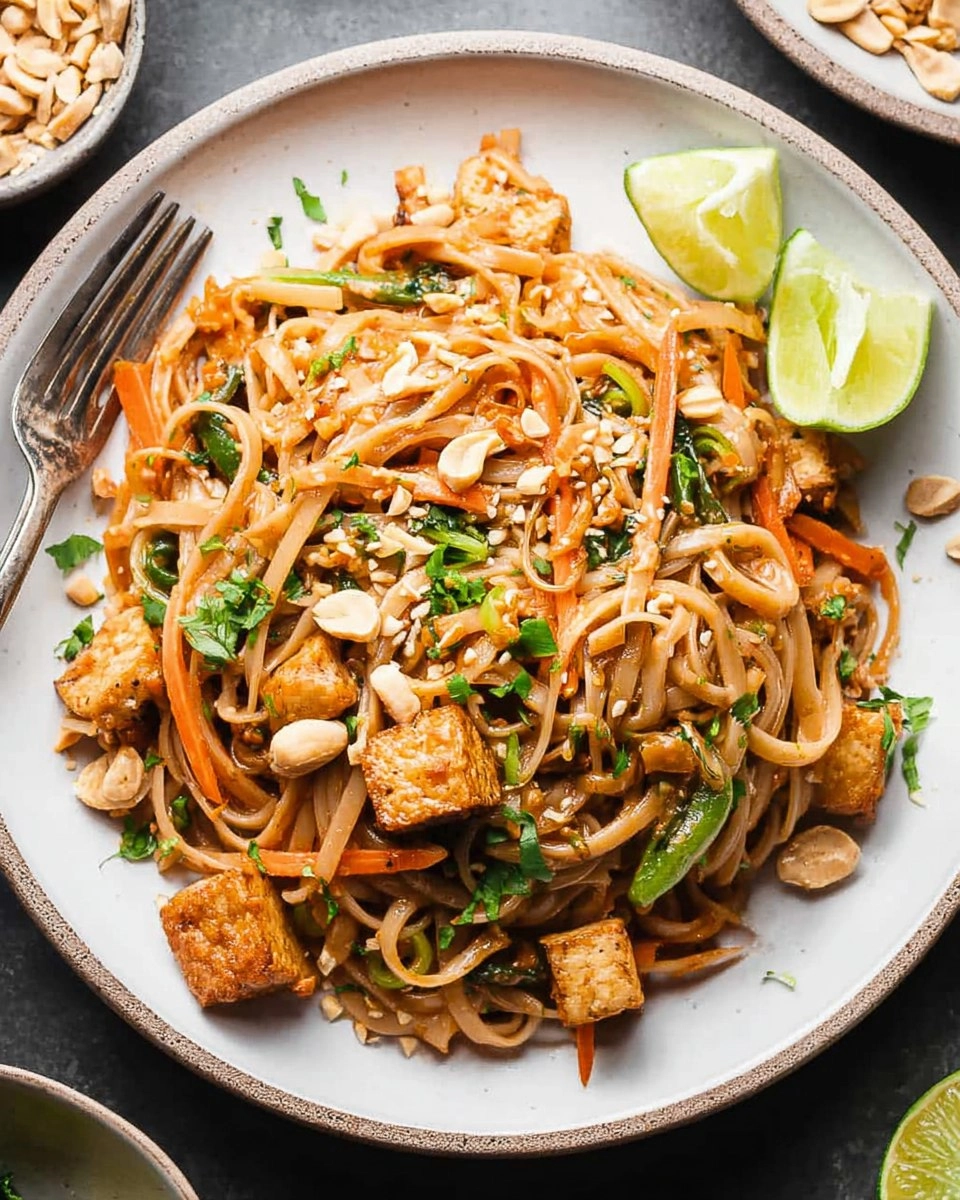
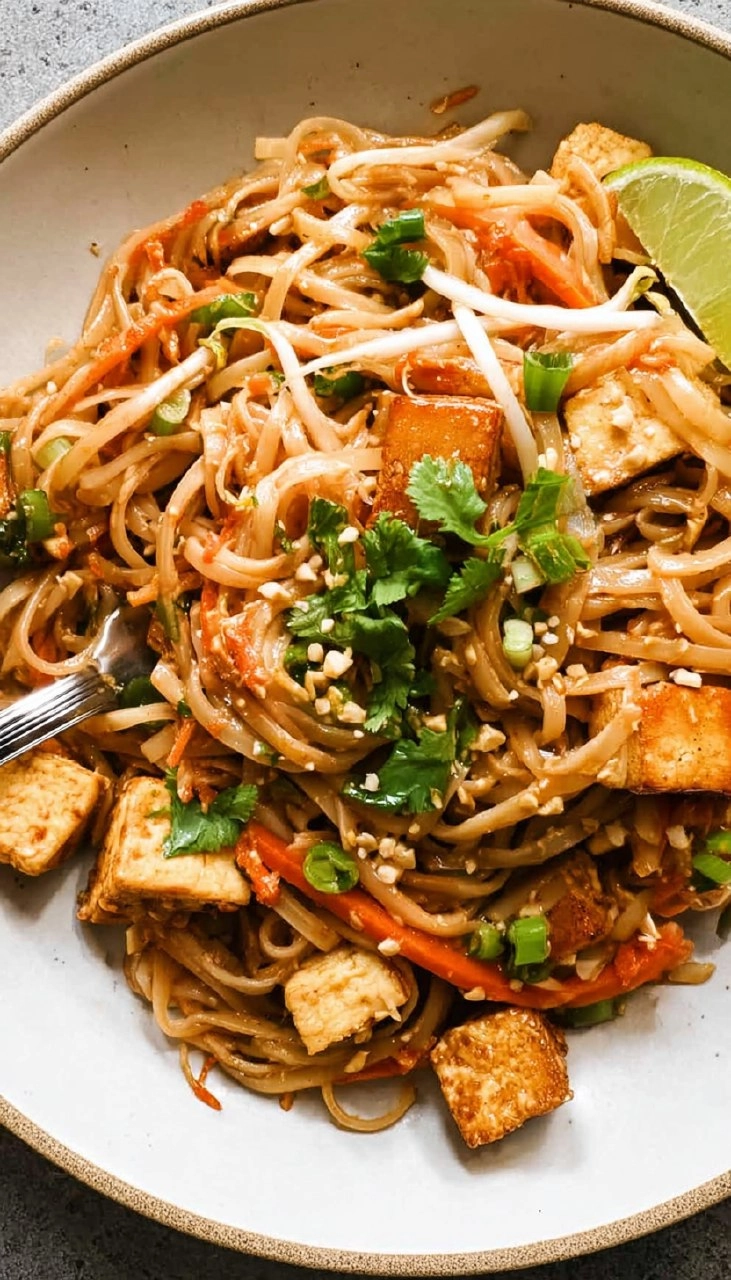
There’s something really special about a steaming plate of Pad Thai. This classic Thai dish effortlessly combines flavors, textures, and aromas that tantalize the senses. Typically featuring stir-fried noodles alongside protein choices like tofu, chicken, or shrimp, Pad Thai is often elevated with a vibrant sauce, crunchy peanuts, and fresh herbs. The generous crunch of bean sprouts paired with the chewy, flavorful noodles creates a wonderful contrast that plays on the palate.
When I first tasted Pad Thai, I was amazed at how the blend of sweet, salty, and spicy came together to form such a harmony. It was my first foray into the world of gourmet Thai cuisine, and I instantly understood why this dish is a crowd favorite. The beauty of making your own Easy Pad Thai Recipe is that you can customize it to your tastes—whether you prefer a little extra spice or a touch more sweetness. Whenever I crave something hearty yet quick to prepare after a long day, this dish never lets me down. Trust me; you’re going to want to try this!
Why You’ll Love This Recipe
- Simple & Quick: This Pad Thai comes together in about 30 minutes, making it perfect for a weeknight dinner.
- Irresistible Flavor: Each bite bursts with the richness of peanut butter, tangy lime, and the warmth of aromatics.
- Eye-Catching Appeal: The vibrant colors from the veggies and herbs make it not just delicious but visually stunning.
- Flexible Serving: It’s an all-in-one meal that’s perfect for casual dinners, lunch boxes, or entertaining guests.
- Diet-Friendly Options: Easily adaptable for vegan and gluten-free diets, ensuring everyone can enjoy it.
Ingredients You’ll Need
- 2 tablespoons soy sauce: This salty component adds depth; tamari can be used for gluten-free needs.
- 3 tablespoons water (or fish sauce): Water keeps the dish lighter; fish sauce adds umami.
- 5 tablespoons light brown sugar: Sweetness balances flavors; granulated sugar works too.
- 2 tablespoons tamarind paste (or lime juice): Tanginess enhances the taste; lime juice can substitute for a fresher zest.
- 1 tablespoon lime juice: Fresh lime juice brightens up the dish; use freshly squeezed for the best flavor.
- 1 tablespoon chili sauce: A little kick; adjust according to your heat preference.
- 3 tablespoons peanut butter: Creamy texture helps to bind the flavors; almond or sunflower butter can serve as substitutes.
- 8 ounces udon noodles (or Pad Thai noodles): Udon offers a nice chew; authentic rice noodles are traditional.
- 14 ounces extra firm tofu (cut into ½” cubes): Great protein source; chicken or shrimp could be swapped in.
- 4 tablespoons peanut oil (divided): High smoke point oil that’s perfect for stir-frying; canola oil is an alternative.
- ½ teaspoon garlic powder: Adds savory depth; fresh garlic can boost freshness.
- ¼ teaspoon fine sea salt: Enhances flavors; adjust to taste.
- ¼ teaspoon ground ginger: Brings warmth; fresh ginger is another great option.
- 1 tablespoon minced garlic: Aromatic essential for stir-frying; enhances overall flavor.
- 1 cup carrots (julienned): Crunchy and nutritious; bell peppers or snap peas can be used.
- ¼ cup green onions (finely sliced): Bright flavor; can toss in regular onion if you’re out.
- 2 eggs: Adds richness; omit for a vegan version.
- 1 ½ cups bean sprouts (4.5 ounces): Provides crunch; can replace with shredded cabbage or bok choy.
- ¼ cup peanuts (crushed): Crunch and nuttiness; cashews or almonds can offer a different taste.
- ¼ cup cilantro (chopped): Flavorful herb that complements the dish; parsley can be swapped if you’re not a fan.
How to Make Pad Thai Recipe
Cook the Noodles: Bring a large pot of water to a boil. Add 8 ounces of udon noodles (or Pad Thai noodles) and cook according to package directions until al dente. Drain well, but don’t rinse to retain the starch that helps the sauce cling.
Prepare the Sauce: In a small bowl, whisk together 2 tablespoons soy sauce, 3 tablespoons water, 5 tablespoons light brown sugar, 2 tablespoons tamarind paste (or lime juice), 1 tablespoon lime juice, 1 tablespoon chili sauce, and 3 tablespoons peanut butter until smooth. If needed, gently warm the mixture to soften the peanut butter for easier blending. Set aside.
Cook the Tofu: Heat 2 tablespoons of peanut oil in a wok or large skillet over high heat. Add 14 ounces of extra firm tofu (cut into ½” cubes) and cook, stirring often, until the tofu begins to brown and crisp up.
Season the Tofu: Sprinkle ½ teaspoon garlic powder, ¼ teaspoon fine sea salt, and ¼ teaspoon ground ginger over the tofu. Continue stirring until evenly coated and the tofu is lightly golden brown.
Add Vegetables: Toss in 1 cup of julienned carrots, ¼ cup of finely sliced green onions, 1 tablespoon minced garlic, and 1 tablespoon of peanut oil. Stir-fry over medium-high heat until the carrots are soft, about 3–5 minutes, stirring often to ensure even cooking.
Scramble the Eggs: Once the vegetables are cooked, lower the heat to medium-low. Push everything to one side of the pan and add another tablespoon of peanut oil to the empty side. Pour in 2 beaten eggs and scramble until fully cooked, then mix with the vegetables.
Combine the Noodles and Sauce: Add the drained noodles to the wok along with 1 ½ cups of bean sprouts, the sauce, and ¼ cup of crushed peanuts. Stir everything together gently, ensuring the noodles are well coated in the sauce.
Final Cook: Continue cooking for an additional 5 minutes over medium-high heat, stirring constantly, until the sauce has thickened and clings to the noodles.
Garnish and Serve: Serve hot, sprinkled with additional crushed peanuts, chopped cilantro, and sliced green onions if desired. Enjoy your homemade culinary masterpiece!
Storing & Reheating
To store leftovers, allow the Pad Thai to cool completely before transferring it to an airtight container. It can sit out for up to 2 hours at room temperature, but for longer storage, refrigerate for up to 4 days. For freezing, place it in a freezer-safe container and keep it for a maximum of 3 months. When you’re ready to enjoy again, reheat it in a skillet over medium heat for about 5–7 minutes, adding a splash of water to refresh the texture if needed. Just know that while flavors may deepen upon reheating, the freshness of the vegetables may slightly change.
Chef’s Helpful Tips
- Ensure your oil is sufficiently hot before adding the tofu; it’ll help achieve that satisfying crisp.
- To enhance the flavor, consider marinating your tofu in soy sauce for 15-30 minutes prior to cooking.
- Avoid overcooking the noodles; they should have a slight bite for the best texture.
- If you feel your dish is lacking flavor, a little more fish sauce or chili sauce can help balance it out.
- For meal prep, cook the components separately and combine them before serving for best textural results.
There’s so much to love about this Easy Pad Thai Recipe! The incredible combination of flavors makes each noodle bite a tiny adventure. Whether you’re trying this for the first time or revisiting a beloved dish, I hope you approach it with excitement and perhaps a pinch of creativity. Enjoy the process as much as the meal that follows; can’t wait to hear how yours turns out!
Recipe FAQs
Can I make this Pad Thai vegan?
Absolutely! Simply omit the eggs and substitute the fish sauce or sauce with additional soy sauce or a veggie-based alternative.
What type of noodles should I use?
While traditional Pad Thai is made with rice noodles, feel free to opt for udon or even whole wheat noodles, depending on your preference.
How can I store leftover Pad Thai?
Store any leftovers in an airtight container in the refrigerator for up to 4 days. Reheat on the stove with a splash of water for best results.
Can I customize the protein in this recipe?
Definitely! You can use shrimp, chicken, or adjust the recipe to include a mix of protein or keep it strictly vegetarian with only tofu.
PrintMore Main Dishes Recipes
Did You Enjoy Making This Recipe? Please rate this recipe with ⭐⭐⭐⭐⭐ or leave a comment.
📖 Recipe Card
Pad Thai
- Prep Time: 20 minutes
- Cook Time: 20 minutes
- Total Time: 40 minutes
- Yield: 8 servings 1x
- Category: Main Dishes
- Method: Stir-fry
- Cuisine: Thai
Description
This Pad Thai combines tofu, udon noodles, and a mix of savory sauces for a dish that’s bursting with flavors. Perfect for a swift dinner or a comforting meal at home, it comes together quickly for an easy, homemade taste.
Ingredients
- 2 tablespoons soy sauce
- 3 tablespoons water
- 5 tablespoons light brown sugar
- 2 tablespoons tamarind paste
- 1 tablespoon lime juice
- 1 tablespoon chili sauce
- 3 tablespoons peanut butter
- 8 ounces udon noodles
- 14 ounces extra firm tofu
- 4 tablespoons peanut oil
- ½ teaspoon garlic powder
- ¼ teaspoon fine sea salt
- ¼ teaspoon ground ginger
- 1 tablespoon minced garlic
- 1 cup carrots
- ¼ cup green onions
- 2 eggs
- 1 ½ cups bean sprouts
- ¼ cup peanuts
- ¼ cup cilantro
Instructions
- Boil a large pot of water.
- Cook the noodles according to package instructions; then drain them without rinsing.
Notes
For added flavor, consider using fish sauce instead of water.
Cut tofu into cubes for even cooking and a better texture.
Feel free to add more vegetables like bell peppers or snap peas.
Nutrition
- Serving Size: 1 serving
- Calories: 450
- Sugar: 10g
- Sodium: 500mg
- Fat: 22g
- Saturated Fat: 4g
- Unsaturated Fat: 16g
- Trans Fat: 0g
- Carbohydrates: 50g
- Fiber: 5g
- Protein: 15g
- Cholesterol: 100mg