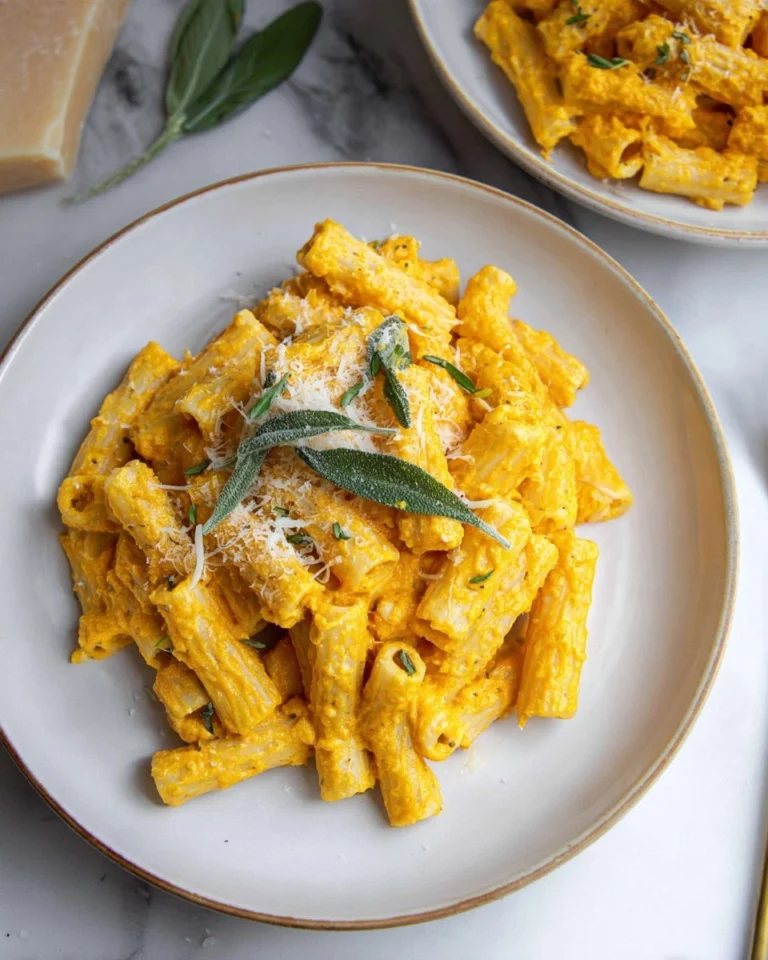
Gochujang Pasta

Creamy, spicy, and utterly comforting, Gochujang Pasta is a delightful dish that combines the rich flavors of Korean cuisine with the familiar texture of a creamy pasta. If you’re someone who loves a cozy meal that packs a punch, this dish is your new go-to. With each bite, you’ll experience the creamy texture mixed with the unique spiciness of gochujang, creating a blend that’s both bold and comforting.
Table of Contents
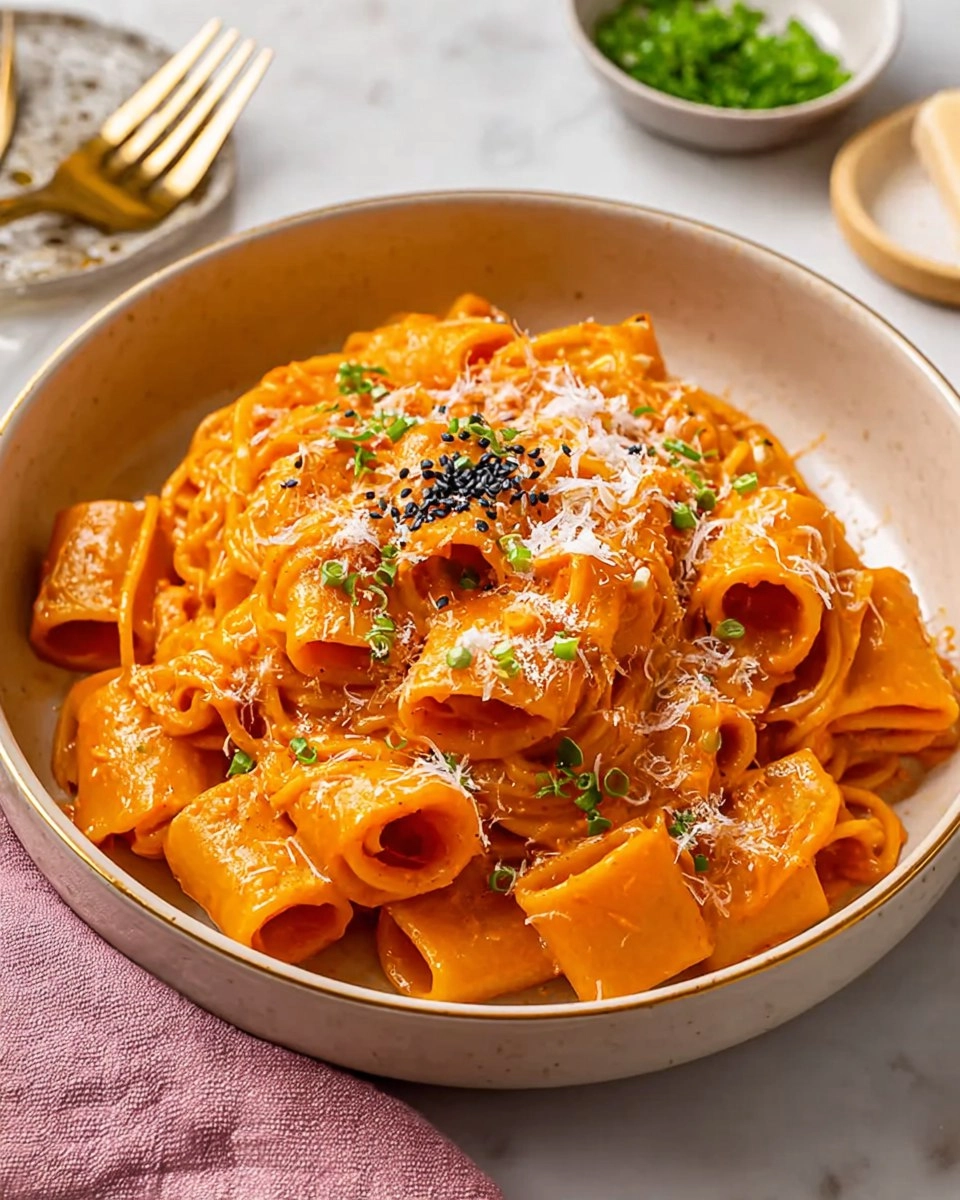
I vividly remember the first time I stumbled upon a recipe that combined gochujang with pasta. It was one of those moments that had me questioning why I hadn’t thought of it sooner! The vibrant color, the fragrant aroma, and the anticipation of tasting something new always gets me excited in the kitchen. This Creamy Gochujang Pasta is everything you want in a weeknight dinner—quick to prepare, delightful to eat, and impressively flavorful. Trust me, once you break it out at the dinner table, you’ll find everyone reaching for seconds.
Why You’ll Love This Recipe
- Simple & Quick: Ready in just under an hour, perfect for busy weeknights!
- Irresistible Flavor: The rich creaminess perfectly balances the spicy kick of gochujang.
- Eye-Catching Appeal: A stunning dish that’s sure to impress guests and family alike.
- Flexible Serving: Great for weeknight dinners, meal prep, or even special occasions.
- Diet-Friendly Options: Can be easily adapted for gluten-free pasta or dairy-free options!
Ingredients You’ll Need
- 1 lb. paccheri pasta: This large, tube-shaped pasta holds onto the sauce beautifully. You can substitute with any other pasta you prefer, such as penne or rigatoni.
- ¼ cup chopped onions: Adds depth and sweetness. Yellow or white onions work best here.
- 1 green onion; sliced (separate whites and greens): The white parts add a mild onion flavor to the sauce, while the greens serve as a fresh garnish.
- 8 garlic cloves; grated or finely processed: A flavor powerhouse that brings richness to the dish.
- 1 bell pepper; orange, yellow, or red, seeds removed and processed with garlic: Sweet bell pepper contributes both flavor and a lovely color.
- 4 tablespoons unsalted butter: This creates a rich base for the sauce. You can use olive oil if you prefer.
- Salt and pepper to taste: Essential seasonings to enhance all the flavors.
- 2 tablespoons tomato paste: Provides a savory note and rich color to the sauce.
- 4 tablespoons gochujang paste: This Korean chili paste adds a depth of heat and umami, ideal for making the dish unforgettable.
- 1½ cups heavy cream: Rich and creamy, it makes the sauce luscious. For a lighter version, use half-and-half.
- 1 cup pasta water: Reserved for creating a silky sauce that clings to the pasta.
- 3 tablespoons chopped parsley; plus more for garnish: Brings freshness and a pop of color.
- ½ cup mozzarella cheese; or more as needed: Melts beautifully, adding creaminess.
- ½ cup sharp cheddar cheese; or more as needed: Adds a delightful tang.
- Grated parmesan cheese; for topping: Enhances flavor and presentation.
How to Make Gochujang Pasta
Cook the Pasta First: Bring a large pot of salted water to a boil and cook the paccheri pasta according to package instructions until al dente. Before draining, reserve 1 cup of pasta water—this is essential for creating that silky, restaurant-style sauce. Drain the pasta and set aside.
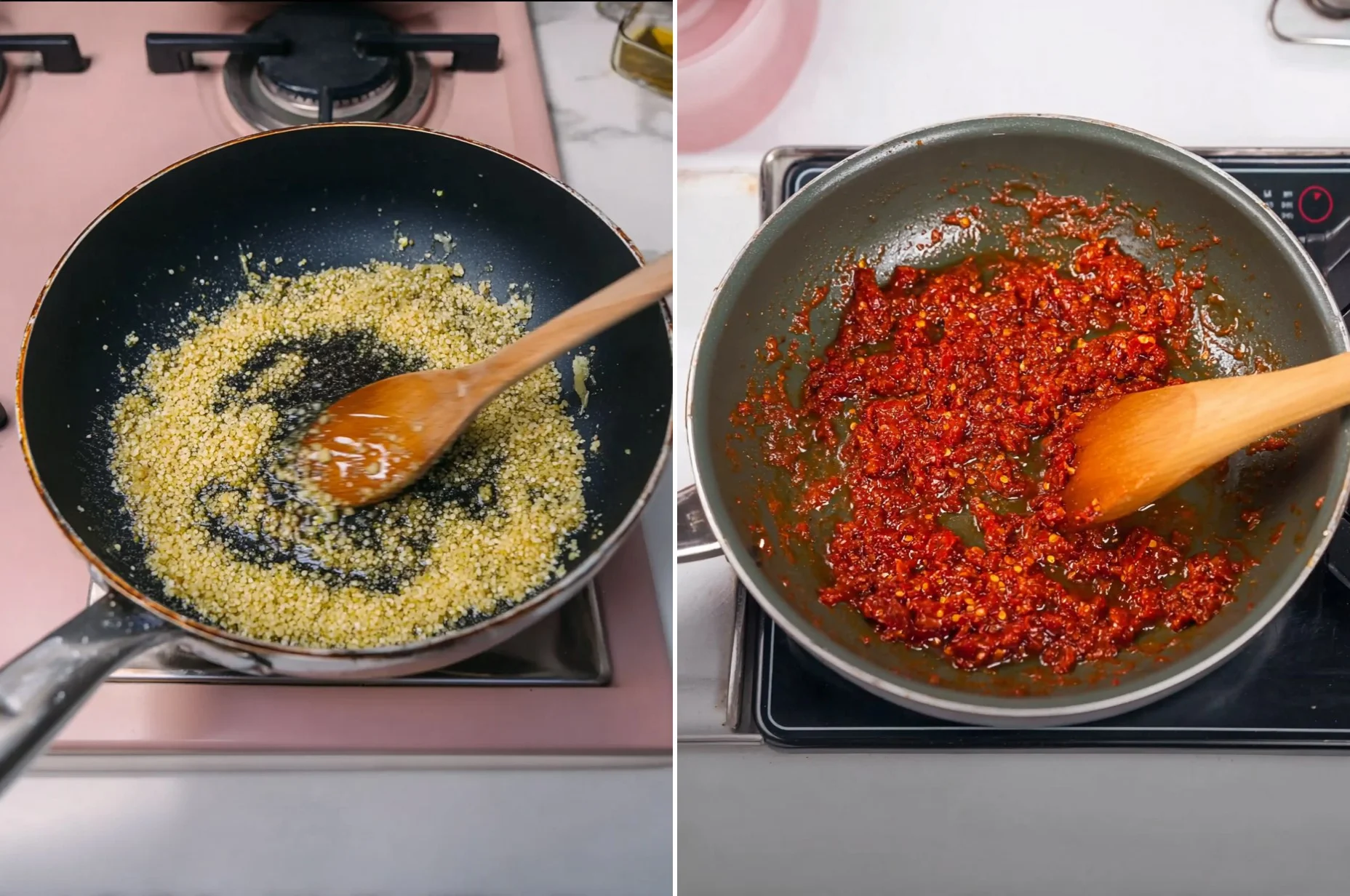
Build the Flavor Base: In a food processor, blend the garlic and bell pepper until finely processed. In a large skillet over medium heat, melt the 4 tablespoons of unsalted butter. Add the chopped onions and the white parts of the green onion. Cook for about 2–3 minutes until softened and fragrant. Next, stir in the garlic and bell pepper mixture, cooking for another 2–3 minutes while stirring often to prevent the garlic from burning. Season with salt and pepper to taste. This foundational step creates the deep flavor profile of the sauce.
Add the Tomato Paste and Gochujang: Stir in the 2 tablespoons of tomato paste and 4 tablespoons of gochujang paste. Cook for about 1–2 minutes, stirring constantly. This process enhances the flavor and eliminates any raw taste from the tomato paste, giving you a rich, beautiful color that’s exactly what you want.
Create the Creamy Sauce: Slowly pour in the 1½ cups of heavy cream and reserved pasta water. Stir well until the sauce is smooth and cohesive. Allow it to gently simmer for about 3–5 minutes until slightly thickened. Taste and adjust salt and pepper as necessary.
Add the Cheese (The Cozy Part ❤️): Reduce the heat to low and stir in the ½ cup mozzarella and ½ cup sharp cheddar cheese. Mix until fully melted, creating a creamy, luscious sauce.
Bring Everything Together: Add the cooked paccheri pasta to the sauce and gently toss until every piece is beautifully coated. Stir in the 3 tablespoons of chopped parsley and the remaining green onions. Let everything warm together for about 1–2 minutes.
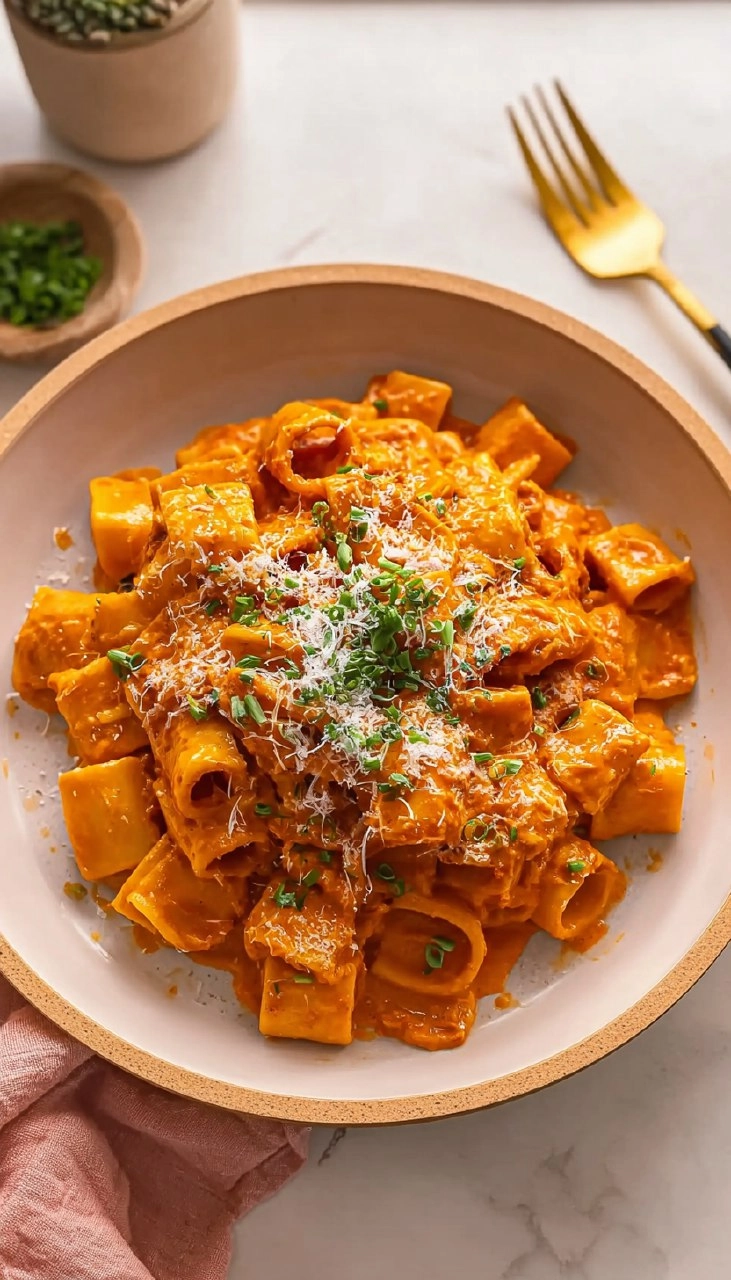
Serve and Garnish: Plate the pasta and finish with a generous grating of parmesan, extra parsley, and fresh cracked pepper if desired. Serve warm and enjoy every creamy, spicy bite.
Storing & Reheating
Leftover Gochujang Pasta can be stored in an airtight container in the fridge for up to 3 days. If you want to keep it longer, you can freeze it for up to 3 months. To reheat, simply thaw in the fridge overnight, then warm gently in a saucepan over medium-low heat, adding a splash of milk or reserved pasta water to maintain creaminess.
Chef’s Helpful Tips
- Avoid overcooking the pasta; it should be al dente for the best texture when combined with the sauce.
- Make sure your garlic is finely processed to ensure it blends well into the sauce without chunks.
- If you want a bit more heat, add more gochujang a tablespoon at a time until it reaches your desired spice level.
- For a vegetarian version, you can skip the cheese and add more vegetables like spinach or mushrooms.
- This dish can be made ahead of time; simply follow through to the point before mixing the pasta, and keep the sauce separate in the fridge until you’re ready to combine.
It’s hard not to fall for Gochujang Pasta’s unique blend of flavors, and I encourage you to experiment a little with it. Add your favorite veggies or adjust the spices to your liking. What truly matters is the joy of creating and enjoying this comforting bowl of goodness. So, gather your ingredients, put on your apron, and let’s get cooking!
Recipe FAQs
Can I substitute the pasta for something gluten-free?
Absolutely! There are numerous gluten-free pasta options available, such as brown rice pasta or chickpea pasta. Just keep an eye on the cooking time, as gluten-free pasta can vary in texture and cook a bit differently.
What can I use instead of gochujang?
If you don’t have gochujang on hand, you can use a combination of chili paste and a bit of sugar to replicate the sweetness and heat. Alternatively, some people like using sriracha, but it’s less umami-rich than gochujang.
How spicy is this dish?
The spice level can vary greatly depending on the amount of gochujang you use. The recipe calls for 4 tablespoons, which adds a noticeable kick but not overpowering. If you’re sensitive to heat, start with a tablespoon less and taste as you go.
Can I make this ahead of time?
Yes! The sauce can be prepared in advance and stored in the fridge. When ready to serve, simply reheat the sauce and cook your pasta fresh, then mix them together right before you eat for the best texture.
PrintMore Main Dishes Recipes
- Ranch Turkey Zucchini Meatballs
- Greek Pork Souvlaki Skewers
- Creamy Coleslaw
- Creamy Garlic Pasta | 30-Minute Easy Pasta Dinner
- Grilled Chicken Breasts
Did You Enjoy Making This Recipe? Please rate this recipe with ⭐⭐⭐⭐⭐ or leave a comment.
📖 Recipe Card
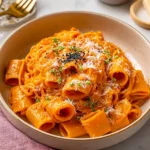
Gochujang Pasta
- Prep Time: 25 minutes
- Cook Time: 55 minutes
- Total Time: 1 hour 20 minutes
- Yield: 4 servings 1x
- Category: Main Dishes
- Method: Stovetop
- Cuisine: Korean-Italian Fusion
Description
Experience the irresistible flavor of Gochujang Pasta! This dish boasts a creamy sauce with fresh ingredients, making it perfect for a quick and comforting meal.
Ingredients
- 1 lb. paccheri pasta
- ¼ cup chopped onions
- 1 green onion; sliced (separate whites and greens)
- 8 garlic cloves; grated or finely processed
- 1 bell pepper; orange, yellow, or red, seeds removed and processed with garlic
- 4 tablespoon unsalted butter
- salt and pepper to taste
- 2 tablespoon tomato paste
- 4 tablespoon gochujang paste
- 1½ cups heavy cream
- 1 cup pasta water
- 3 tablespoon chopped parsley; plus more for garnish
- ½ cup mozzarella cheese; or more as needed
- ½ cup sharp cheddar cheese; or more as needed
- grated parmesan cheese; for topping
Instructions
- Cook the paccheri pasta in a large pot of salted boiling water until al dente, reserving 1 cup of pasta water before draining.
- In a food processor, blend garlic and bell peppers. In a skillet over medium heat, melt butter and add chopped onions and green onions. Cook for 2–3 minutes until softened.
- Add the garlic and bell pepper mixture to the skillet, cooking for another 2–3 minutes. Season with salt and pepper to build flavor.
- Stir in tomato paste and gochujang, cooking for 1–2 minutes while stirring constantly until flavors deepen.
- Slowly pour in heavy cream, add reserved pasta water, and stir until smooth. Let simmer for 3–5 minutes until the sauce thickens.
- Reduce heat to low, add mozzarella and cheddar cheese, mixing until fully melted and creamy.
- Add the cooked paccheri pasta to the sauce, tossing gently to coat. Stir in chopped parsley and remaining green onions, warming for 1–2 minutes.
- Plate the pasta, topping with grated parmesan, extra parsley, and fresh cracked pepper if desired.
Notes
Feel free to adjust the amount of gochujang based on your spice preference.
For a vegetarian option, you can replace the butter with olive oil and omit the cheese or use a dairy-free alternative.
Nutrition
- Serving Size: 1 serving
- Calories: 653
- Sugar: 5g
- Sodium: 765mg
- Fat: 37g
- Saturated Fat: 23g
- Unsaturated Fat: 12g
- Trans Fat: 0g
- Carbohydrates: 64g
- Fiber: 2g
- Protein: 17g
- Cholesterol: 101mg